



1. What is Synthetic Leather?
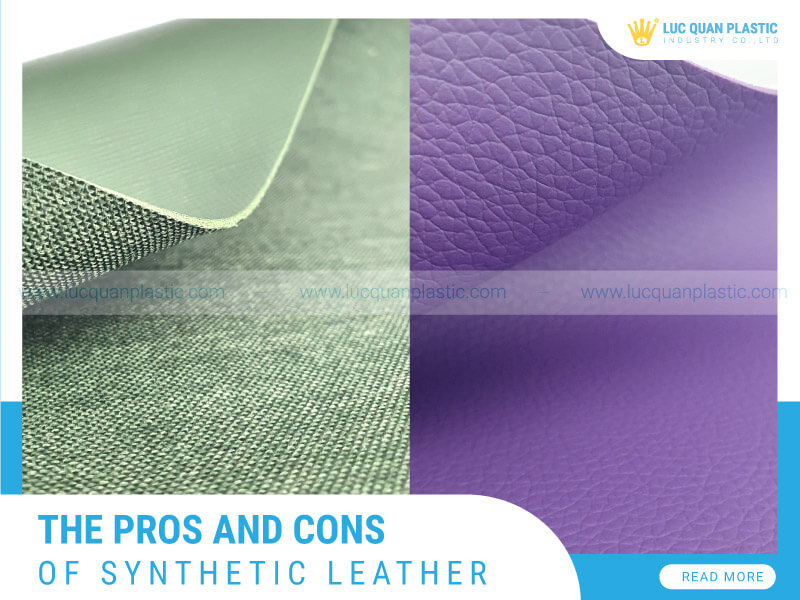
Synthetic leather, also known as faux leather, is a man-made material designed to resemble and mimic the look and feel of genuine leather. It is produced using various synthetic materials, such as polyvinyl chloride (PVC) or polyurethane (PU), and is commonly used as an alternative to genuine leather in a wide range of products.
Synthetic leather is typically created by applying a layer of synthetic material onto a fabric or non-woven base. The synthetic layer is often embossed or treated to imitate the texture and grain of real leather. This process allows synthetic leather to closely resemble the appearance of genuine leather, including its color, texture, and overall aesthetic.

There are different types of synthetic leather available, with PVC and PU being the most common. PVC leather is known for its durability, water resistance, and affordability. PU leather, on the other hand, offers a softer and more flexible texture, resembling genuine leather more closely.
Synthetic leather offers several advantages over genuine leather. It is generally more affordable, easier to clean and maintain, and less susceptible to damage from moisture and sunlight. Synthetic leather is also considered more animal-friendly, as it does not require the use of animal hides in its production.

However, it’s important to note that synthetic leather may not possess the same natural aging and patina as genuine leather. It also has different breathability properties, which can affect comfort, especially in hot and humid conditions. Additionally, the production of synthetic leather involves the use of chemicals and petroleum-based materials, raising concerns about its environmental impact.
Overall, synthetic leather provides an alternative option for individuals who desire the look and feel of leather but prefer a more affordable, animal-friendly, and low-maintenance material.
Synthetic leather, including PVC (Polyvinyl Chloride) and other types, has its own set of pros and cons. Here are some of the main advantages and disadvantages of synthetic leather:
2. Pros of Synthetic Leather
- Affordability: Synthetic leather is generally more affordable than genuine leather, making it a cost-effective alternative for consumers who want the look and feel of leather at a lower price point.
- Durability: Synthetic leather is known for its durability and resistance to wear and tear. It is less prone to cracking, peeling, or fading compared to genuine leather, making it suitable for products that require longevity and regular use.
- Variety of Designs: Synthetic leather offers a wide range of design options. It can be manufactured in various colors, patterns, and textures, allowing for more creative and customizable products.
- Animal-friendly: Synthetic leather does not require the use of animal hides, making it a cruelty-free alternative for individuals who are concerned about animal welfare.
- Easy Maintenance: Synthetic leather is relatively easy to clean and maintain. It can often be wiped clean with a damp cloth or mild detergent, which is convenient for busy lifestyles.

2. Cons of Synthetic Leather
- Breathability and Comfort: Synthetic leather may lack the breathability and natural comfort that genuine leather offers. It can be less breathable, leading to potential discomfort, especially in warm or humid climates.
- Environmental Impact: Synthetic leather is typically derived from petroleum-based materials, which raises concerns about its environmental impact. The production and disposal of synthetic leather can contribute to pollution and waste.
- Less Natural Appearance and Aging: While synthetic leather aims to mimic the appearance of genuine leather, it may lack the natural beauty, texture, and aging characteristics that develop over time with genuine leather.
- Heat Sensitivity: Synthetic leather can be more heat-sensitive compared to genuine leather. It may be prone to melting or deforming when exposed to high temperatures or direct heat sources.
- Limited Breathability: Synthetic leather is often less breathable than genuine leather, which can lead to discomfort, especially during extended periods of use.
- Potential for Chemical Odors: Some synthetic leather products may have a distinct chemical odor, particularly when they are newly manufactured. This odor can be bothersome to individuals with sensitivity to chemical smells.
When considering synthetic leather, it’s important to balance these pros and cons with your specific needs and preferences. Factors such as budget, durability requirements, aesthetic preferences, and environmental concerns should be taken into account before making a decision.